Tackling Challenges in Energy, Environment, and Medicine through the Science of Radioactive Materials and Radiation
Our laboratory addresses a wide range of challenges in energy, the environment, and medicine on the basis of the chemistry and physics of radioactive materials, as well as the measurement and application of radiation. Our research covers diverse topics, from high-level radioactive waste generated by nuclear energy use and accident-derived waste and fuel debris from the Fukushima Daiichi Nuclear Power Station, to advanced nuclear fuels for the future, and further to diagnostic and therapeutic technologies in nuclear medicine and life science. The common academic foundation across these areas is radiochemistry and physical chemistry for understanding and controlling the chemical states, reactions, migration, separation, and measurement of radionuclides.
The use of nuclear energy brings major benefits, including electricity generation and stable energy supply. At the same time, it requires responsible and long-term engagement with serious challenges such as radioactive waste disposal and the decommissioning of accident-damaged reactors. We work on backend issues including geological disposal, treatment and disposal of fuel debris, direct disposal as a potential future option, and waste management associated with the decommissioning of existing nuclear power plants. Through both steady fundamental research and demonstrative engineering studies, we are building the knowledge base needed to support the safe, secure, and sustainable use of nuclear energy.
At the same time, radiation and radionuclides offer powerful tools for visualizing biological phenomena, elucidating disease mechanisms, and advancing diagnosis and therapy. Through radiation imaging, spectroscopy, quantum sensing, and radioactive probes, we are opening new avenues for contribution to medicine and life science. In this sense, our laboratory regards radioactive materials and radiation both as objects to be controlled and as tools to be actively utilized, and from both perspectives seeks to contribute to a sustainable and prosperous society.
Basic solution chemistry of actinides and fission products to perform the safety assessment of radioactive waste disposal, and to develop the efficient and advanced waste treatment. Research is mainly focused on solubility, complexation, sorption, and their thermodynamic modeling.
Classes
Introduction to Nuclear Engineering 1 and 2, Radiochemistry, Nuclear Fuel Cycle 1
Contact Information
Katsura campus, C3-d2S10 E-mail: sasaki.takayuki.2a@* (Add "kyoto-u.ac.jp" after @)
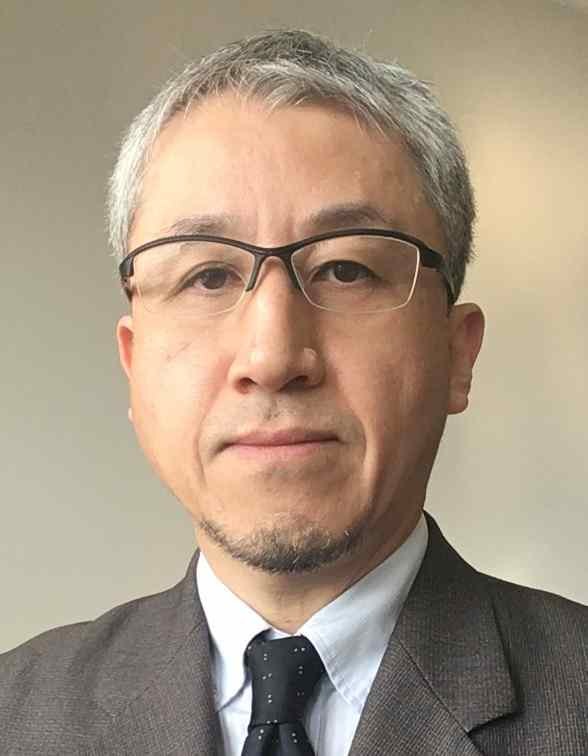
Takeshi FUCHIGAMI
Professor (Graduate School of Engineering)
Research Theme
We aim to elucidate and control biological phenomena and diseases by integrating nuclear medicine imaging and spectroscopic techniques for visualization and analysis with internal radiotherapy using alpha particles and Auger electrons, focusing on molecular and cellular functions in living systems based on particle beams and electromagnetic radiation.
We aim to elucidate and control biological phenomena and diseases by integrating nuclear medicine imaging, spectroscopic techniques, and internal radiotherapy using alpha particles and Auger electrons. Our research focuses on molecular and cellular functions in living systems using particle beams and electromagnetic radiation.
Classes
Contact Information
Katsura Campus, C3-d2S11 E-mail: fuchigami.takeshi.6r@* (Add "kyoto-u.ac.jp" after @)
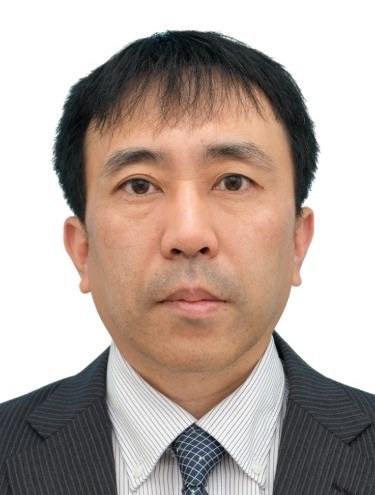
Taishi KOBAYASHI
Associate Professor (Graduate School of Engineering)
Research Theme
For the safety assessment of radioactive waste disposal, research is focused on the solubility, complex formation, and colloids of actinides and radionuclides.
Contact Information
Katsura campus C3-d2S12 E-mail: kobayashi@* (Add "nucleng.kyoto-u.ac.jp" after @)
Research Topics
Waste Disposal Engineering for the Nuclear Backend and the Decommissioning of Fukushima
The safe, secure, and sustainable use of nuclear energy requires direct engagement not only with front-end technologies for power generation, but also with backend challenges. Our laboratory conducts research on the geological disposal of high-level radioactive waste in vitrified form, the treatment and disposal of fuel debris and accident-derived waste arising from the decommissioning of the Fukushima Daiichi Nuclear Power Station, and the direct disposal of spent fuel as a possible future option. Our focus is on the physicochemical phenomena that form the foundation of disposal safety assessment, including the dissolution and precipitation of actinides and fission products, complex formation, redox reactions, sorption, colloid formation, and migration behavior in groundwater.
Waste originating from the Fukushima accident differs significantly in character from conventional reprocessing waste. In particular, fuel debris is characterized by its complex mixing with seawater-derived components, structural materials, and concrete constituents. We are building the scientific basis for decommissioning and disposal through immersion and leaching experiments using simulated fuel debris, studies on the properties of treated water and secondary waste, and research linking off-site soil analysis with on-site waste characterization. In parallel, we combine these efforts with advanced spectroscopic and structural analyses using large-scale synchrotron radiation facilities such as SPring-8 and KEK-PF, as well as field and modeling studies that simulate subsurface environments. Through these approaches, we aim to achieve a more precise understanding of the complex behavior of radioactive materials and to connect that understanding to reliable disposal concepts.
Nanoparticle Fuel and Thermodynamic Design for Advanced Nuclear Fuels
The future of nuclear energy depends on the development of new fuels with higher performance and greater reliability. Our laboratory focuses on the characteristics of the high burnup structure (HBS) that appears in high-burnup fuels, and explores an innovative concept of nanoparticle fuel that seeks to take advantage of these features from the early stage of irradiation. Nanoparticle fuel is an advanced fuel concept expected to improve fission gas retention, tolerance to irradiation-induced defects, and material deformation behavior by making use of nanocrystalline structures and fine pore architectures.
In this research, we construct thermodynamic equilibrium phase diagrams for uranium oxide-based oxides and mixed oxides while taking surface free energy into account, thereby clarifying theoretically how particle size influences phase stability and phase boundaries. In parallel, we prepare oxide nanoparticles, fabricate sintered and mixed-oxide materials, and analyze particle size, phase state, and local structure using techniques such as X-ray diffraction, X-ray absorption spectroscopy, and small-angle neutron scattering. By integrating theory and experiment, we aim to establish design principles for advanced nuclear fuels. We also make active use of large-scale facilities such as SPring-8 and JRR-3 to elucidate the relationship between nanoscale structure and fuel properties, thereby building a foundation for the development of future high-performance fuels.
Visualization of biological phenomena and elucidation of disease mechanisms using particle beams and electromagnetic radiation
Biological phenomena are regulated by complex interactions among diverse biomolecules, and their disruption contributes to the onset of various diseases, including cancer, infectious diseases, neurodegenerative disorders, and aging. Recent studies suggest that these conditions are interconnected through common mechanisms such as chronic inflammation and cellular senescence.
We aim to visualize molecular dynamics and cellular states in living systems in real time using radiation-based imaging, spectroscopy, and measurement techniques involving particle beams and electromagnetic waves. This approach enables the investigation of biological processes that have been difficult to observe using conventional methods.
We have developed molecular probes targeting neurotransmitter receptors or transporters, amyloid-β, infectious agents, and cancer-specific molecules, and have applied them to the analysis of brain function, inflammation, and cellular activities. Building on this work, we will integrate fluorescence imaging, Raman spectroscopy, and PET/SPECT to establish comprehensive methodologies for capturing biological phenomena and disease processes across spatial and temporal scales.
Development of advanced nuclear medicine engineering technologies for integrated diagnosis and control of diseases
In refractory diseases such as cancer, different principles and molecular targets are employed for blood tests, imaging, and treatment, making it difficult to achieve a seamless transition from diagnosis to therapeutic control. We aim to establish an integrated nuclear medical engineering approach that unifies diagnosis and control by combining radiation-based measurement and imaging technologies with Raman spectroscopy, photoacoustic methods, radiolabeled probes, and therapeutic radionuclides.
We focus on acquiring blood-based molecular information using Raman spectroscopy with metallic nanoparticles, visualizing in vivo conditions through multimodal imaging, and achieving functional control via localized energy deposition induced by X-ray or light irradiation. These strategies provide a unified platform for disease diagnosis, visualization, and therapeutic control. We have previously worked on the design of molecules targeting cancer-specific biomarkers, as well as on the visualization and functional modulation of biomolecules using radiation and light.
We will further investigate the interactions between various types of radiation, such as alpha particles, beta particles, and Auger electrons, and biological responses to develop highly efficient applications with low toxicity. We will also extend this framework to neurological and infectious diseases, aiming to develop innovative technologies based on nuclear medical engineering.